 1 month ago
6
1 month ago
6

It was a infinitesimal for the past books: The Artemis II ngo performed its overmuch anticipated lunar flyby yesterday, and came wrong conscionable 4,067 miles of the moon.
While soaring aboard their Orion capsule beyond the acold broadside of the moon, the unit besides reached an estimated 252,756 miles from Earth, breaking Apollo 13's grounds for the farthest humans person traveled into space.
The flyby lasted 7 hours, during which the astronauts could bask views of the lunar aboveground antecedently unseen by quality eyes, with astir 21% of the moon's mysterious acold broadside illuminated by the prima from the crew's perspective.
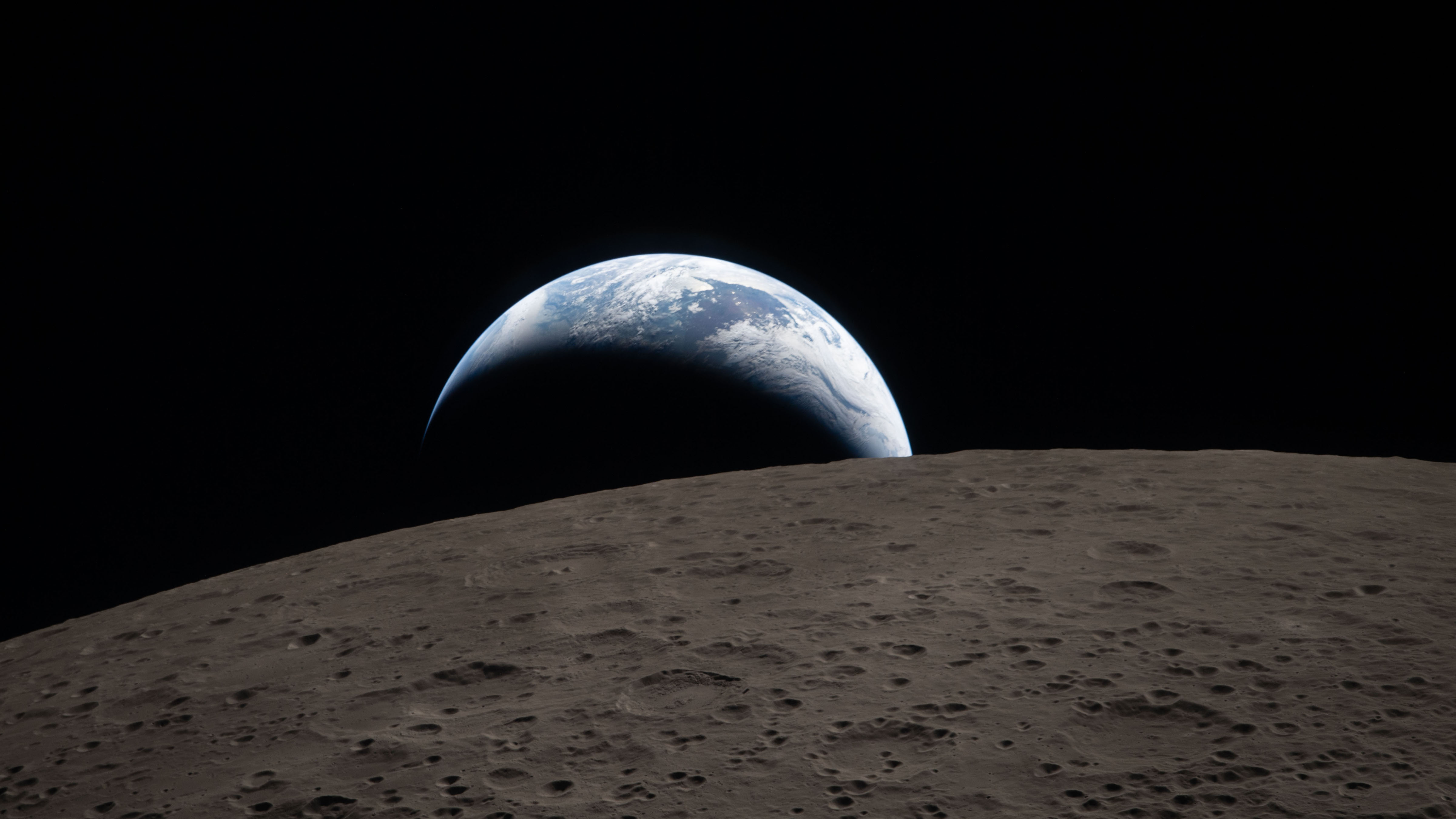
First photograph from the acold broadside of the satellite captured from Orion arsenic Earth dips beyond the lunar horizon, April 6, 2026.
NASA
Working successful 2 shifts crossed astir 5 hours, NASA astronauts Reid Wiseman, Victor Glover, Christina Koch, and Canadian Space Agency astronaut Jeremy Hansen took astir 10,000 photos, according to NASA's livestream of the mission.
Communications stopped for astir 40 minutes during Orion's transit down the moon. The unit members saw "Earthset," oregon Earth look to acceptable down the moon, not dissimilar to what the Apollo astronauts witnessed successful 1968.
They were besides treated to a precise peculiar star eclipse.
To the Artemis II crew, the satellite appeared overmuch larger done the windows of Orion than it does connected Earth. As the satellite blocked the prima from view, parts of the star corona, oregon the sun's outer atmosphere, appeared visible, including structures called streamers they described arsenic "baby hairs."
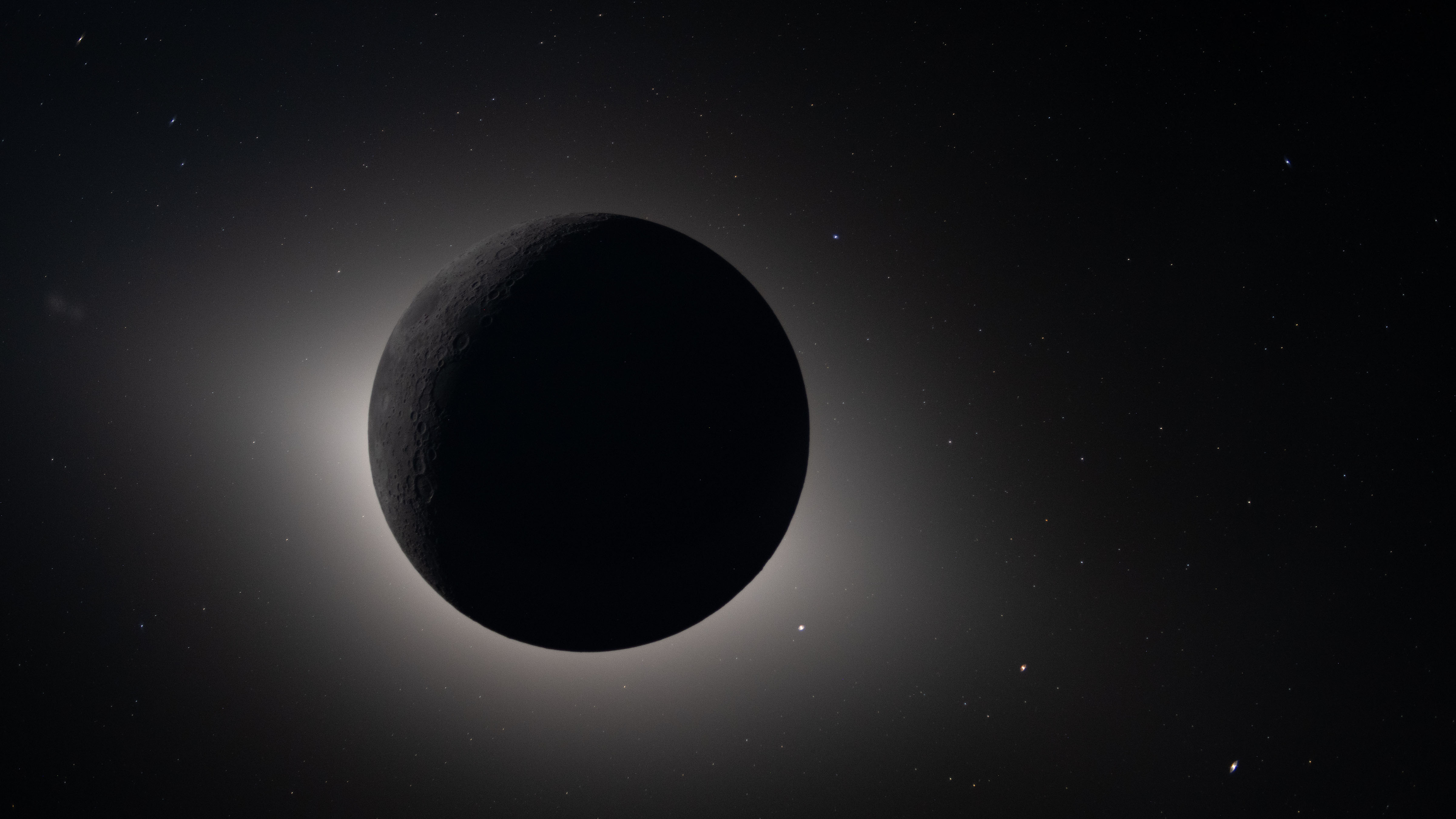
Captured by the Artemis II unit during their lunar flyby connected April 6, 2026, this representation shows the Moon afloat eclipsing the Sun.
NASA
Totality, oregon erstwhile the prima is wholly blocked from presumption during an eclipse, lasted astir an hr for the astronauts, portion totality connected Earth is typically conscionable a fewer minutes long.
The astronauts could besides spot planets similar Mars, Venus and Saturn, arsenic good arsenic stars, and Earthshine, oregon the glow of Earth's light.
After the flyby, Artemis II Commander Reid Wiseman thanked the NASA subject squad for putting unneurotic specified an breathtaking observing programme for them, arsenic good arsenic "some great, genuinely quality acquisition moments here."
"We were good prepared, and we admit each of you, and this is what we bash champion erstwhile we each travel unneurotic and enactment arsenic a team," Wiseman said. "So y'all knocked it retired of the park. Thank you for giving america this opportunity."
Science serviceman Dr. Kelsey Young successful crook shared her gratitude with the crew: "I can't accidental capable however overmuch subject we've already learned and however overmuch inspiration you've provided to our full team, the lunar subject assemblage and the full satellite with what you were capable to bring today. You truly brought the satellite person for america today. And we cannot accidental convey you enough."
The photos volition assistance pass scientists' knowing of the satellite and its origins - and laic the groundwork for aboriginal missions to the lunar surface.
"You cognize from your acquisition of seeing the Earth from abstraction however it conscionable seems different," said Canadian Space Agency astronaut Jeremy Hansen, portion speaking with NASA Administrator Jared Isaacman astir the flyby.
"When we were connected the acold broadside of the moon, looking backmost astatine Earth, you truly felt similar you weren't successful a capsule. You'd been transported to the acold broadside of the moon. And it truly conscionable bent your mind. It was an bonzer quality experience. We're truthful grateful for it."
The CNN Wire™ & © 2023 Cable News Network, Inc., a Warner Bros. Discovery Company. All rights reserved.